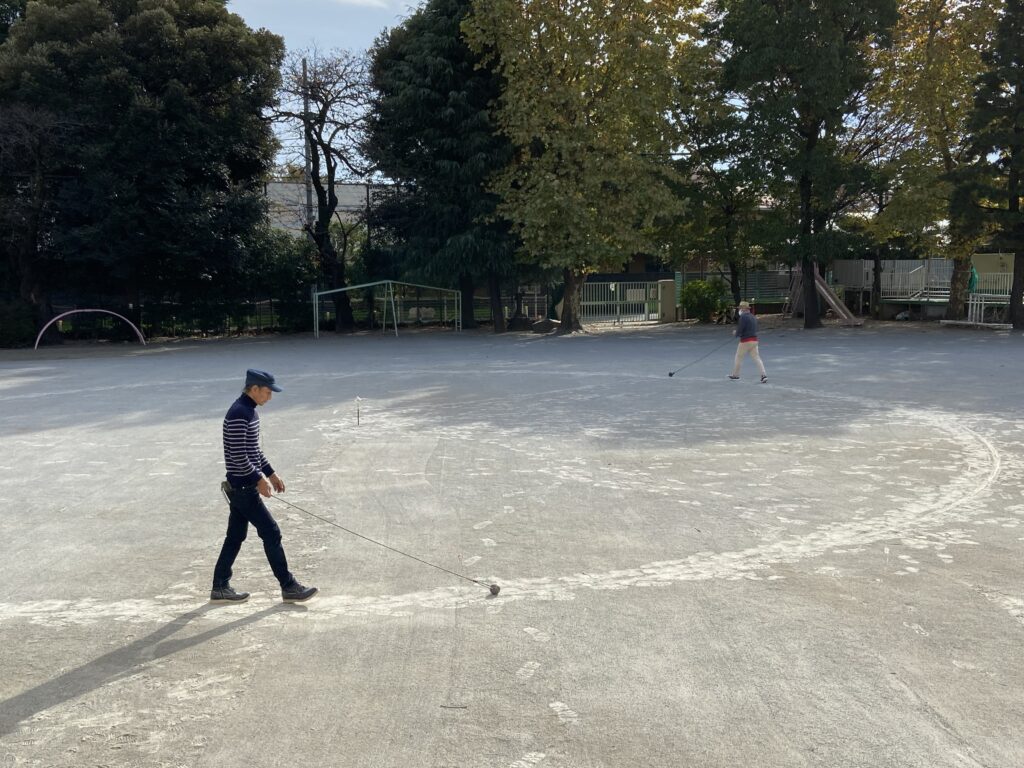
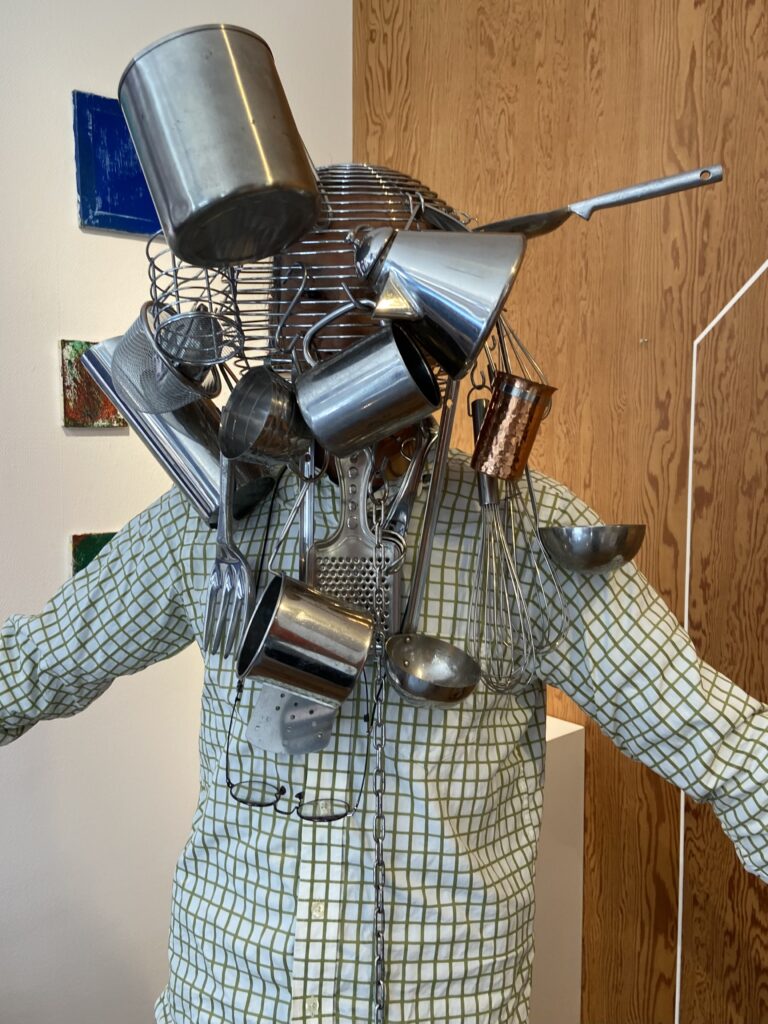
June 20 (Sat) – August 16 (Sun), 2026
12:00–20:00 (Closed on Wednesdays and Thursdays) General Admission: 1,000 yen / University Students: 800 yen / High School Students and younger: Free Co-organized by: Yokohama Sports and Culture Bureau
Organized by: NEW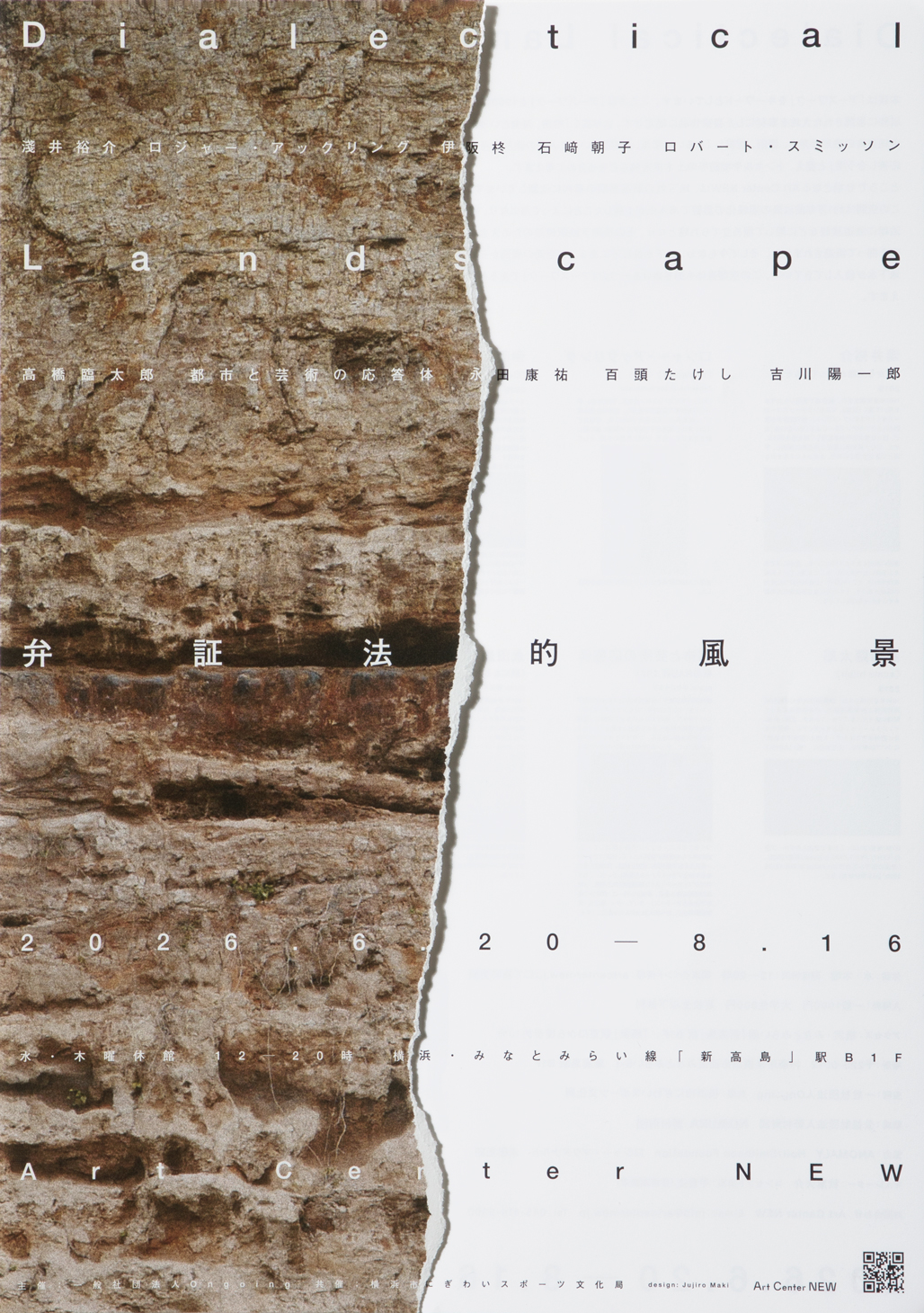
This exhibition takes “Earthwork” as its central keyword. Here, rather than limiting the term to artworks made with earth that emerged since the 1960s, we adopt a broader perspective, understanding “earthwork” as a site where the formative processes of the earth itself—such as sedimentation and erosion—interact with human acts of shaping, including excavation, backfilling (as well as carving and modeling). From this perspective, civil engineering structures such as tunnels and embankments are also considered within its scope.
The venue, Art Center NEW, is located within Shin-Takashima Station on the subway line. This site was once part of the sea, submerged by rising sea levels due to post-glacial warming since approximately 10,000 years ago. During the Meiji period, it was reclaimed in the course of railway construction and other developments, and later excavated significantly for the construction of the subway station. Even today, as the space lies below the groundwater level, water continues to seep through the walls. In this sense, the site itself can be regarded as an “earthwork” in motion, continuously shaped by ongoing processes.
In this exhibition, by embracing such sites—where the formative forces of the earth and human interventions respond to one another—as expanded “earthworks,” we present works by ten artists and collectives, alongside forms that are not conventionally considered artworks. Starting from the notion of “earthwork,” the exhibition seeks to traverse various modern binary oppositions—such as human and earth, site and non-site, material and idea—and to observe the landscapes that emerge through their dialogue, here in Yokohama.
Exhibition Overview
Dates: June 20 (Sat) – August 16 (Sun), 2026
Hours: 12:00 – 20:00
Closed: Wednesdays and Thursdays
Admission: General ¥1,000 / University students ¥800 / Free for high school students and younger / Free admission for one accompanying person with a disability certificate
Participating Artists: Yusuke Asai, Roger Ackling, Shu Isaka, Asako Ishizaki, Robert Smithson, Rintaro Takahashi, Reciprocal Units within Art and Urbanism, Kosuke Nagata, Takeshi Hyakutou, Yoichiro Yoshikawa
Curator: Daisuke Akiba (Art Center NEW, Token Art Center)
Based on Talking event by Kei Hirakura (Art Theorist)
Organizer: Ongoing Association
Co-organizer: Sports, Culture and Dynamic City Development Bureau, City of Yokohama Nominal
Grant: Nomura Foundation
Support: Anomaly, Holt/Smithson Foundation, Roger McDonald, Takuro Yoneda
Planning and production: Token Association
Events During the Exhibition
Details will be announced on this page as they are confirmed.
Yusuke Asai
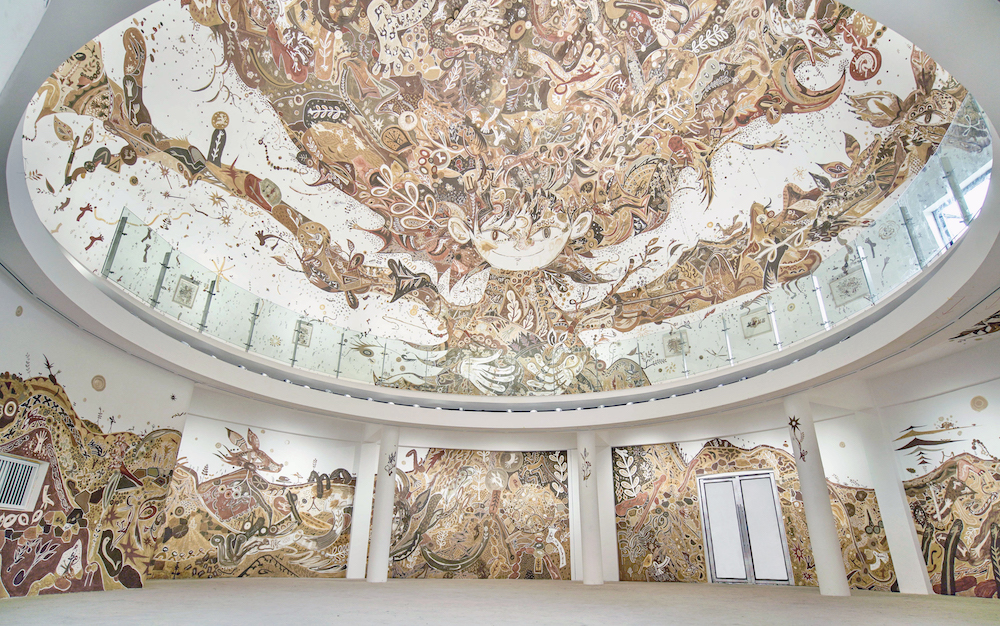
Born in Tokyo in 1981. Asai continues to create paintings using a wide range of materials and techniques, including his “the Earth painting” made with soil and water collected at the site of production; “Masking Plant,” drawn with marker on masking tape; and works in “Painting of Blue Blood,” created with Prussian blue derived from deer blood. In recent years, he has also resumed working seriously in ceramics, particularly since the COVID-19 pandemic, further deepening his exploration of expressions unique to earth as he moves fluidly between two- and three-dimensional practices. His works, which employ soil—the source of life—embody traces of the diverse microorganisms that once inhabited it, as well as the vitality of plants that sprouted from it, encompassing the very activities of the living beings that inhabit each place.
Roger Ackling
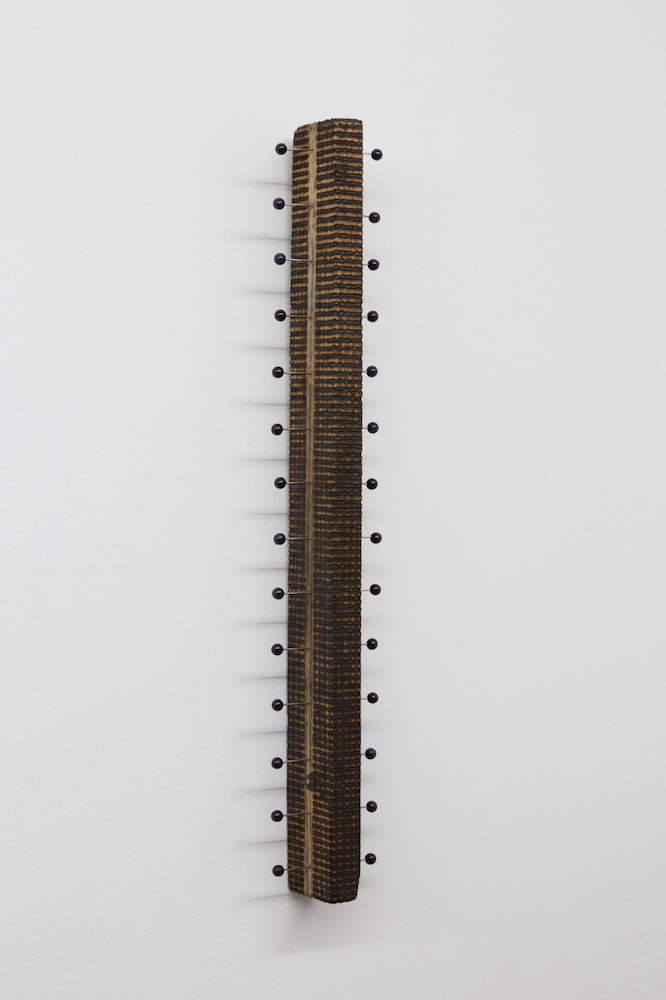
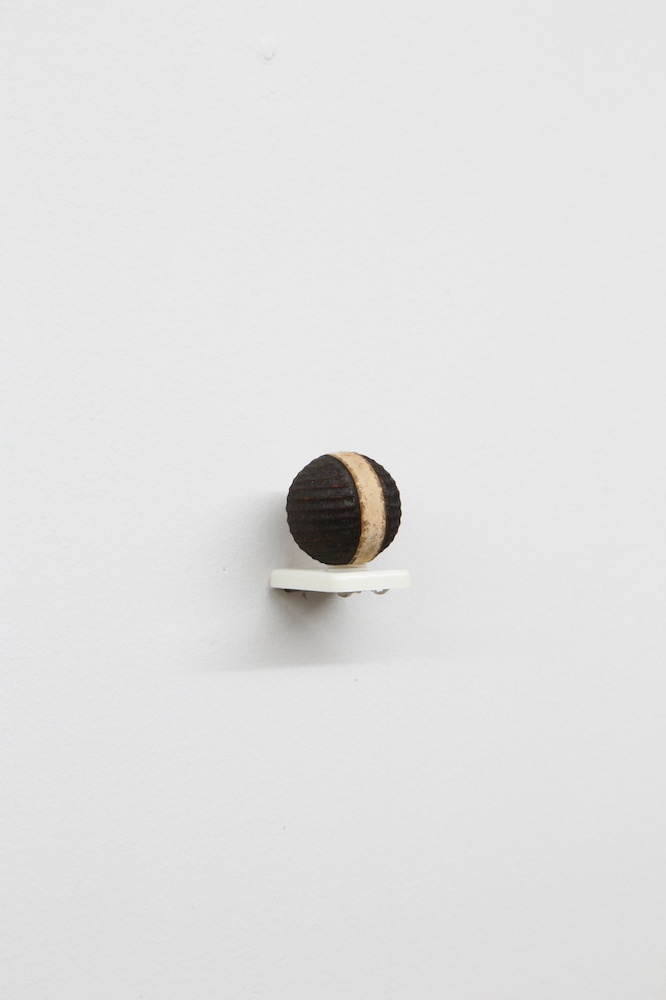
Born in London, UK in 1947; died in 2014. He is known for his distinctive process of concentrating sunlight through a handheld magnifying glass to burn lines into the surface of wood. By repeatedly inscribing scorched marks onto driftwood collected from beaches and everyday wooden objects, he created quiet, contemplative works that evoke the passage of time, the forces of nature, and the relationship between the natural world and human activity.
Shu Isaka
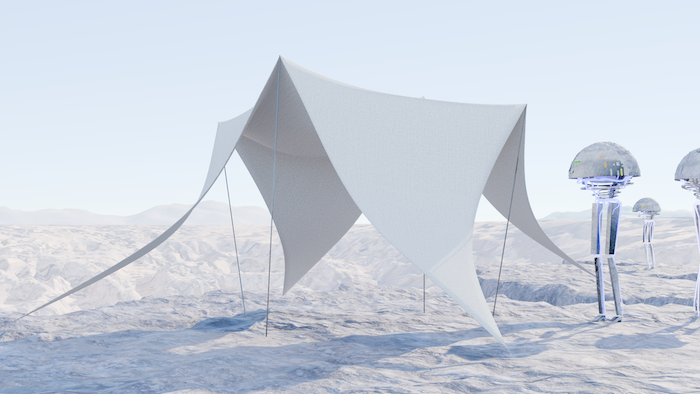
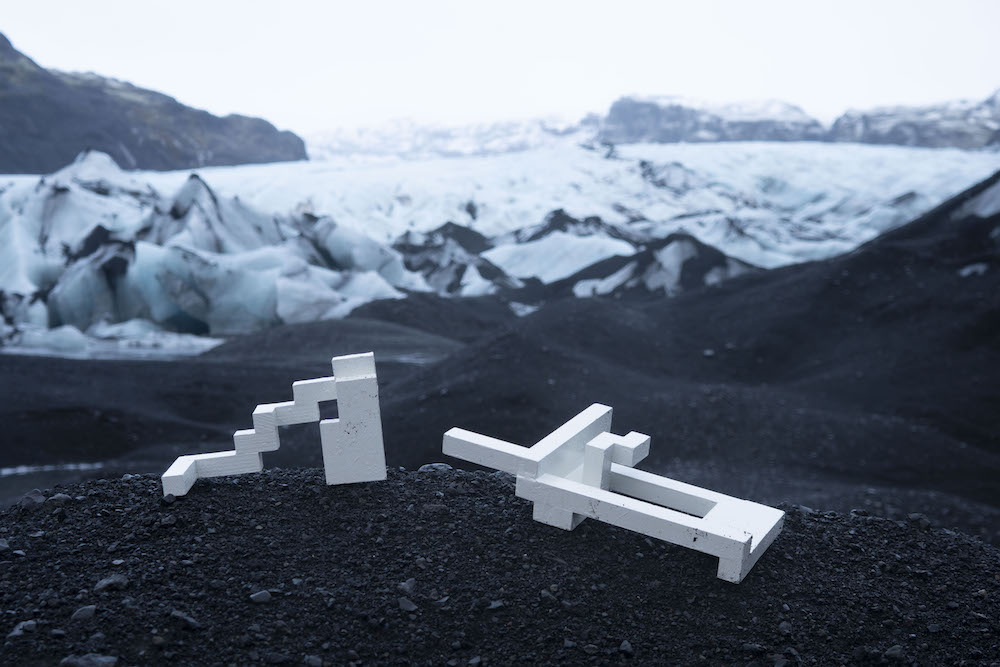
A practice is articulated that connects artistic production with the human cognitive function known as the Hyperactive Agency Detection Device (HADD), which is characterized by the over-detection of agency. By replacing traditional religious objects with risk as the primary target of detection, the spectrum of artistic processes—advancement, regression, and detour—is mapped onto time and space, aiming to depart from behaviors and expressions conditioned by habit, convention, and specific value systems.
The practitioner adopts the neologism “Methodgrapher.”
Methodgrapher.
This practice has involved tracing geothermal phenomena, simulating virtual communication among stakeholders related to urban energy infrastructures, and conducting over-simulation through risk narratives within regulated urban spaces. More recently, attention has shifted toward the anthropological study of resources under conditions of global environmental change.
Asako Ishizaki
Born in 1996 in Tochigi, Japan.
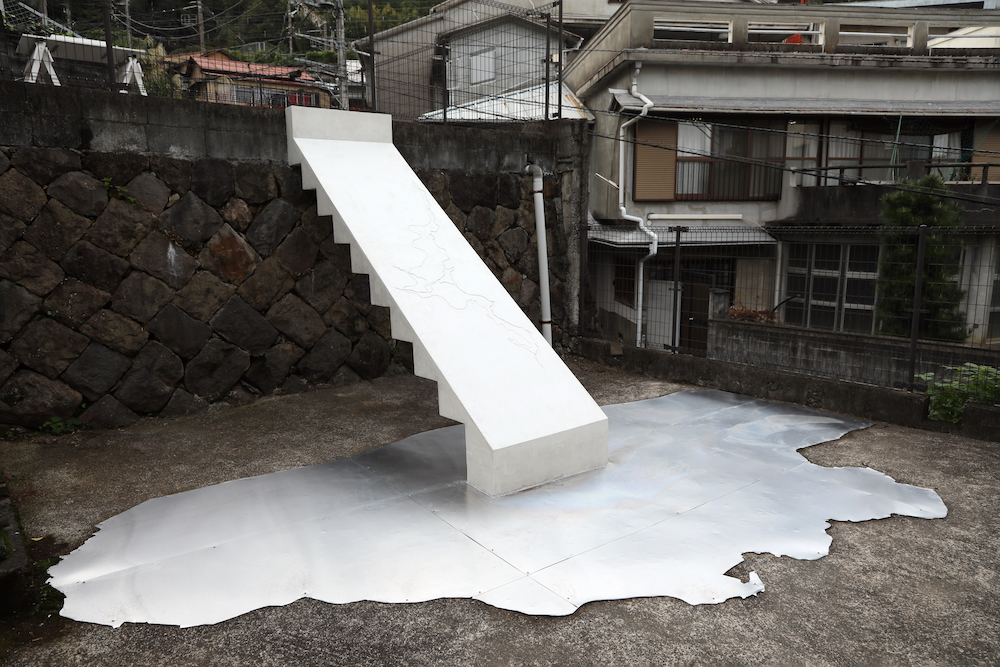
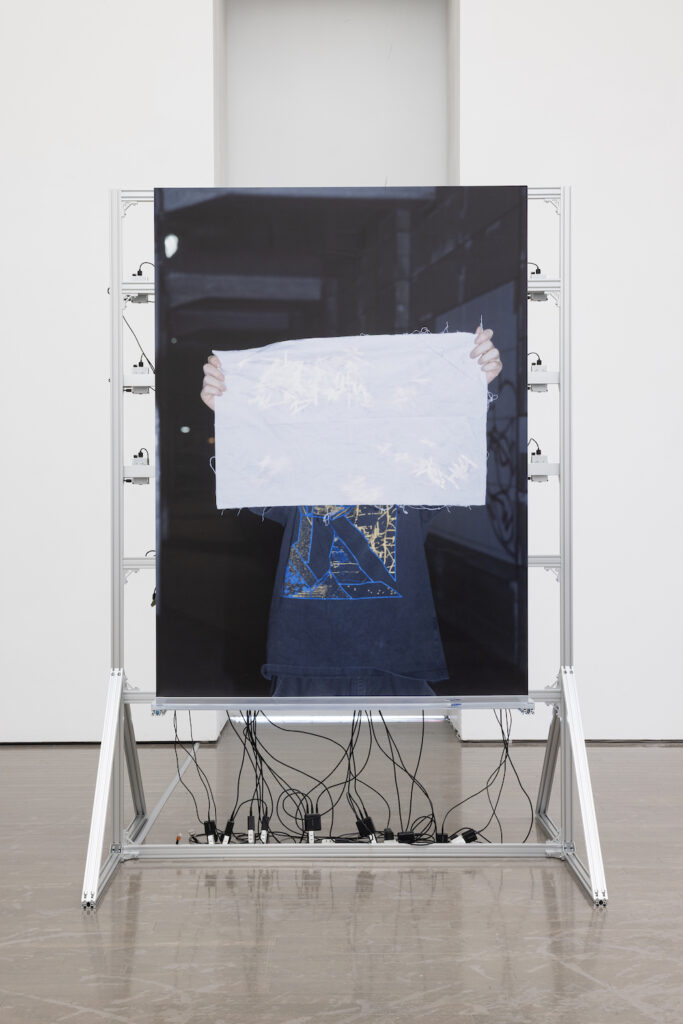
Artist working with sculpture, video, and photography.Received an MFA in Sculpture from Musashino Art University in 2023.
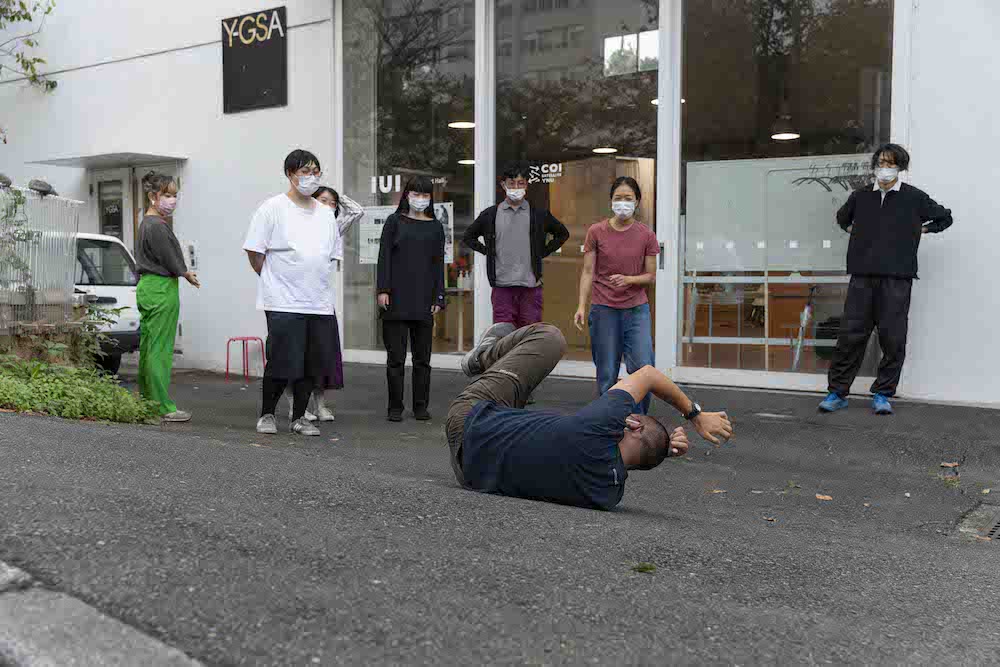
Her works begin with grounded observations of specific sites and the collection of traces found in urban spaces. Notable works include City Angle (2021), which explores the relationship between the body and the slopes of Shibuya, and Tracing City (2022–23), inspired by the actions of skaters and graffiti writers in the city. Through these practices, she reconstructs alternative perspectives on the urban environment.
Recent exhibitions include ATAMI ART GRANT 2024 (Atami City, Shizuoka, 2024), P.O.N.D.2023 (PARCO MUSEUM TOKYO, Tokyo, 2023), and CGC (CON_, Tokyo, 2022).
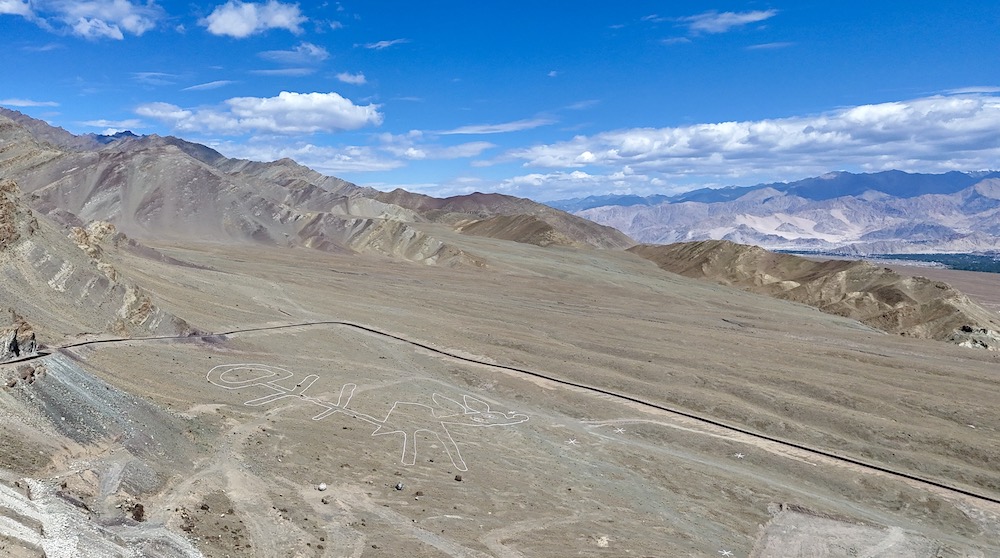
Robert Smithson
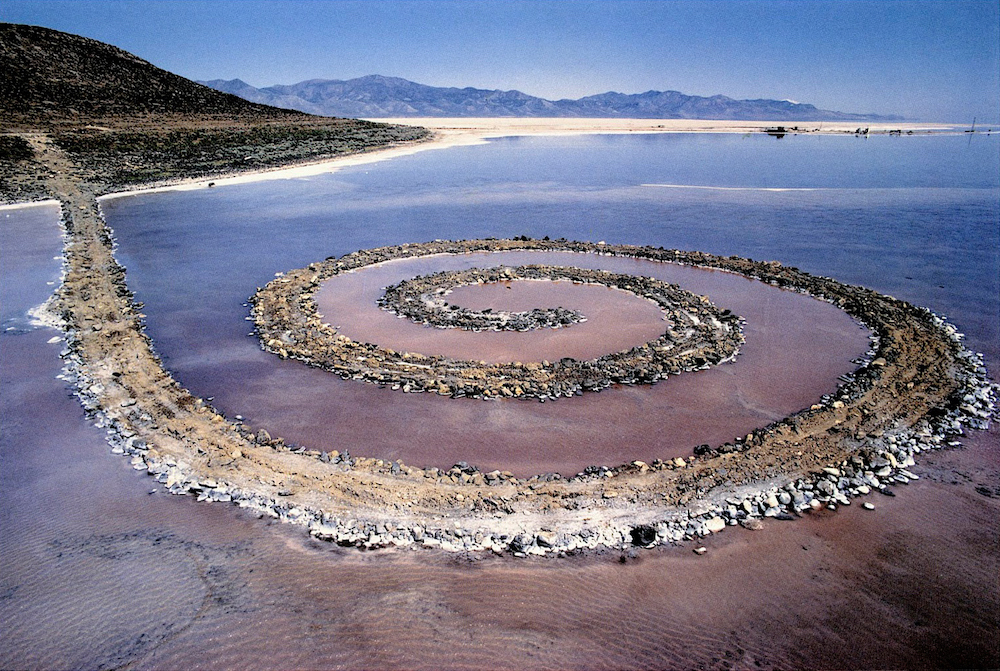
Born in 1938 in New Jersey, USA; died in 1973. He was an artist with an interest in geology, landscape, and the concept of entropy, and from the late 1960s onward developed land art situated in natural environments. Alongside producing large-scale works and projects using the earth as material, he wrote extensively on nature, time, and site, playing a significant role in shaping the theoretical framework of land art.
Rintaro Takahashi
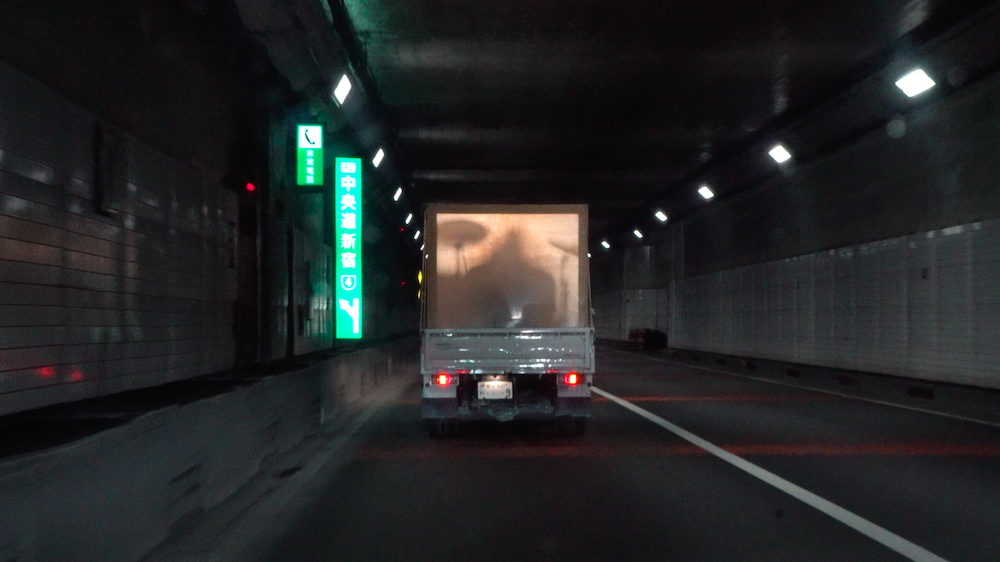
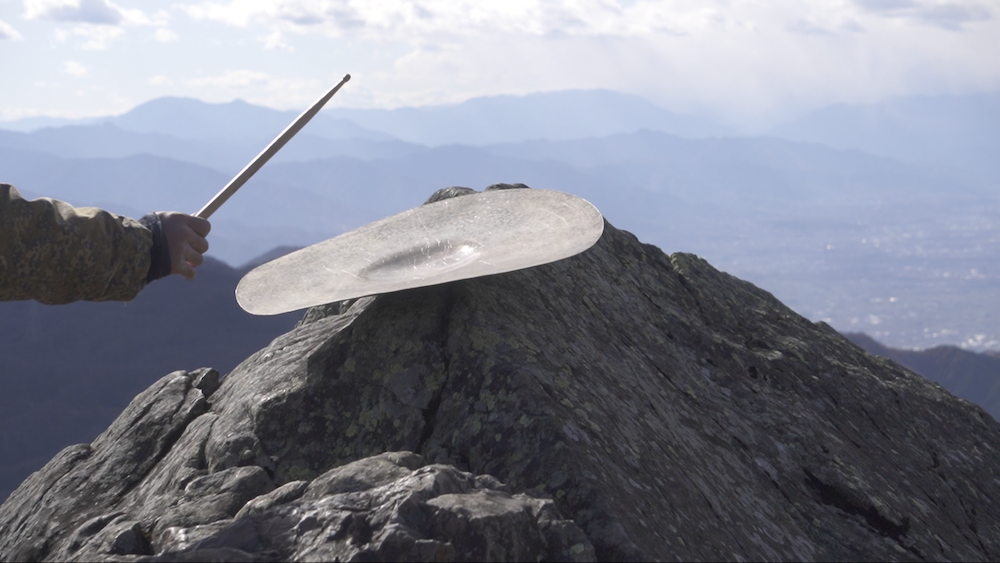
Born in Tokyo, 1991. Completed the doctoral program of the Graduate School of Fine Arts, Tokyo University of the Arts. His work attempts to “change consciousness” by pushing materials and bodies to their limits through the application of energy in performances, sculptures, videos, and installations that engage the environment using his own body as a medium. Major solo exhibitions include “Anker“ (JUNGLE GYM, Tokyo, 2024). He has participated in various group exhibitions to date, including “EENT” (POST-FAKE projects) and “The Land of Pure Waters ‒ Gifu Art Festival Art Award IN THE CUBE 2020” (The Museum of Fine Arts, Gifu).
Reciprocal units within Art and Urbanism
A learning collective founded in 2020 by architect Teppei Fujiwara and art theorist Kei Hirakura, who serve as its co-directors. Grounded in a mode of responsiveness that seeks to deeply understand the city itself while overlapping the sensibility of making art with that of living in the city, the collective develops activities based on this principle. Conceived as a site for relearning beyond the boundaries of professionals and amateurs, it creates spaces for cross-disciplinary learning and experimentation.
Since 2023, Fujiwara has continued the initiative as facilitator, maintaining its activities intermittently while reconfiguring the core members for each iteration. It aims to function as a loose platform for inquiry-driven practitioners.
Past guest artists include film director Sho Miyake and novelist Tomoka Shibasaki, among many others. To date, more than fifty participants—including artists, creators, booksellers, and museum professionals living in cities around the world—have taken part in its programs.
Kosuke Nagata
Born in 1990 in Aichi, Nagata Kosuke is based in Kanagawa.
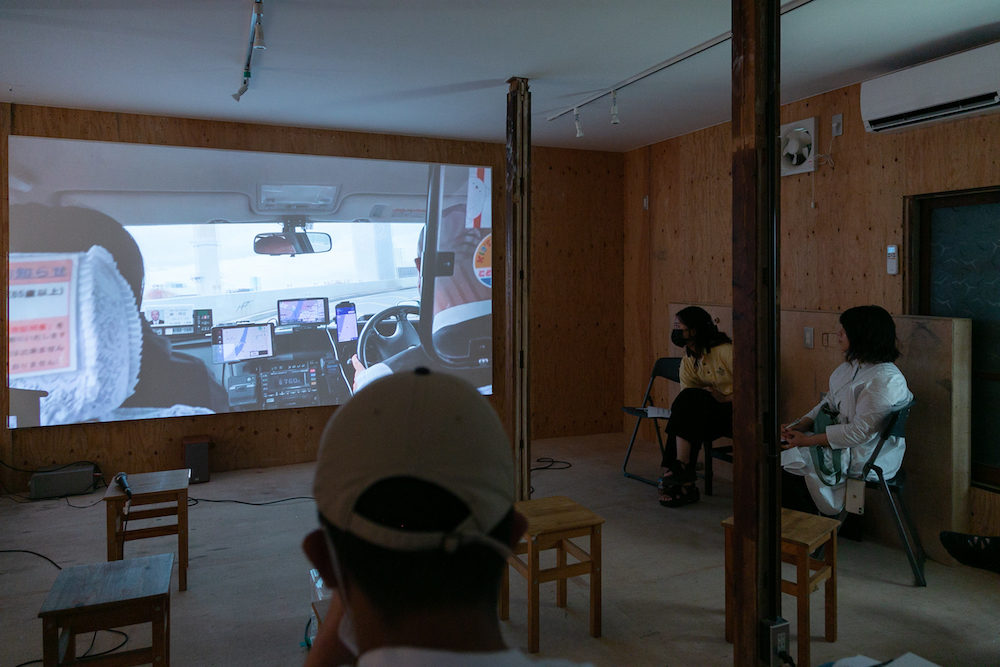
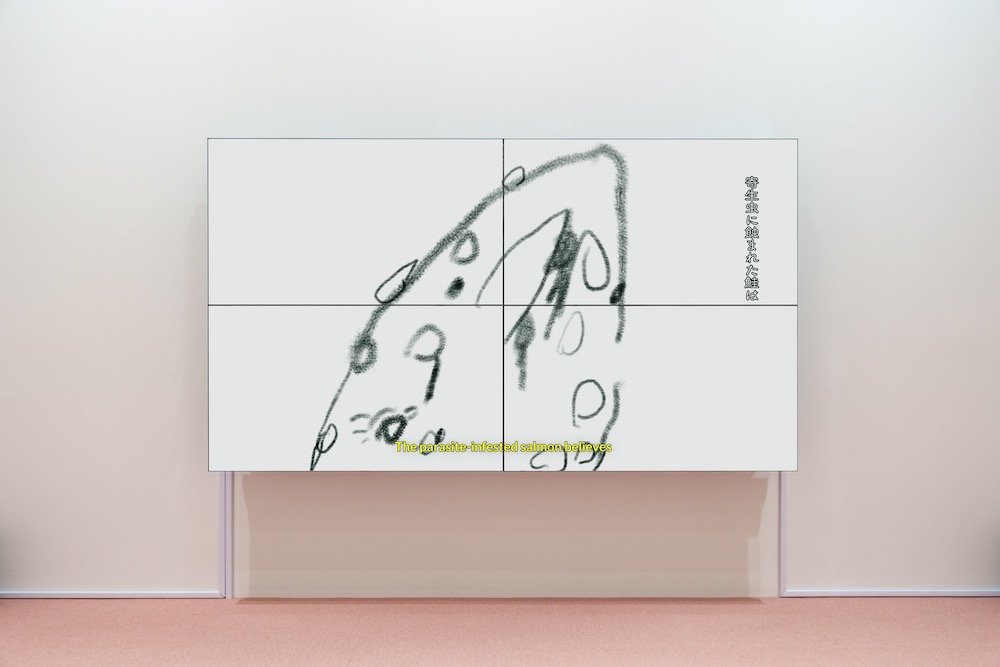
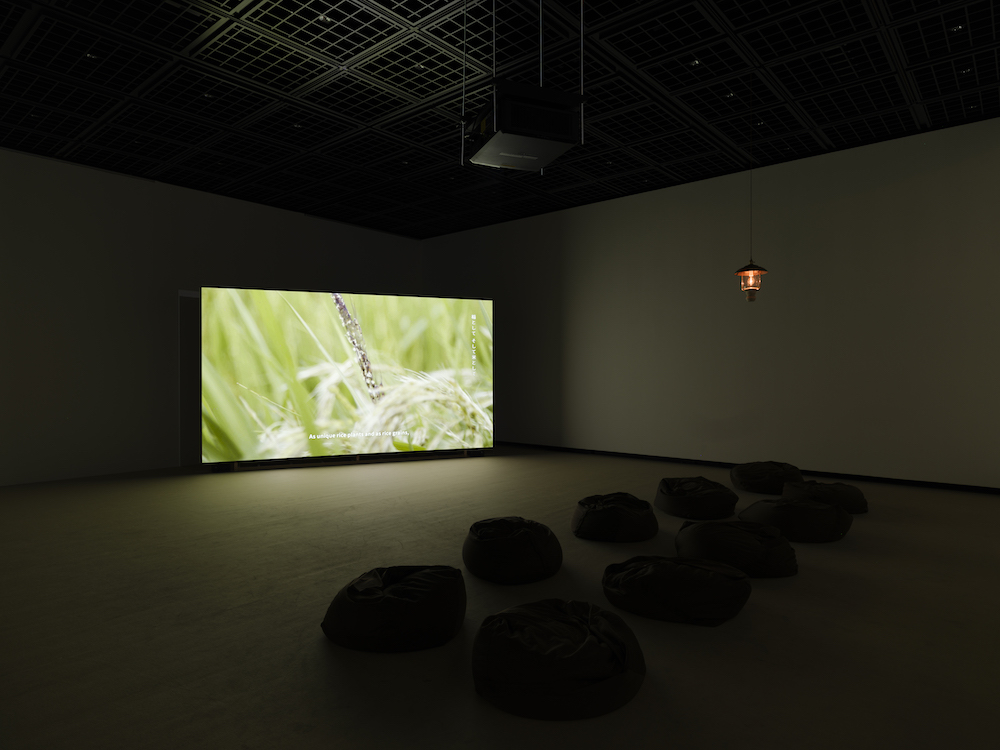
Through photography, moving image, and installation, his practice explores the self and the other, nature and culture, the body and the environment, and other binary oppositions that undergird modern thinking, and their latent ambiguity. His recent work has focused on video essays and performances in the form of meal courses, reflecting on how food culture shapes national identity, the body techniques and power relations contained within table manners, and the control of animal and plant life in food production.
Takeshi Hyakutou
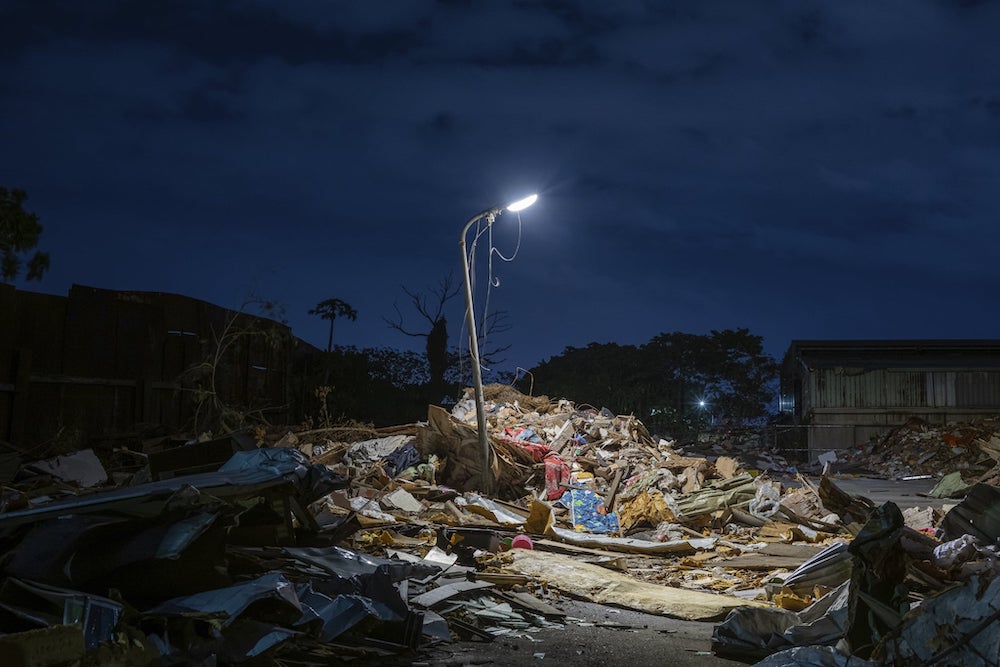
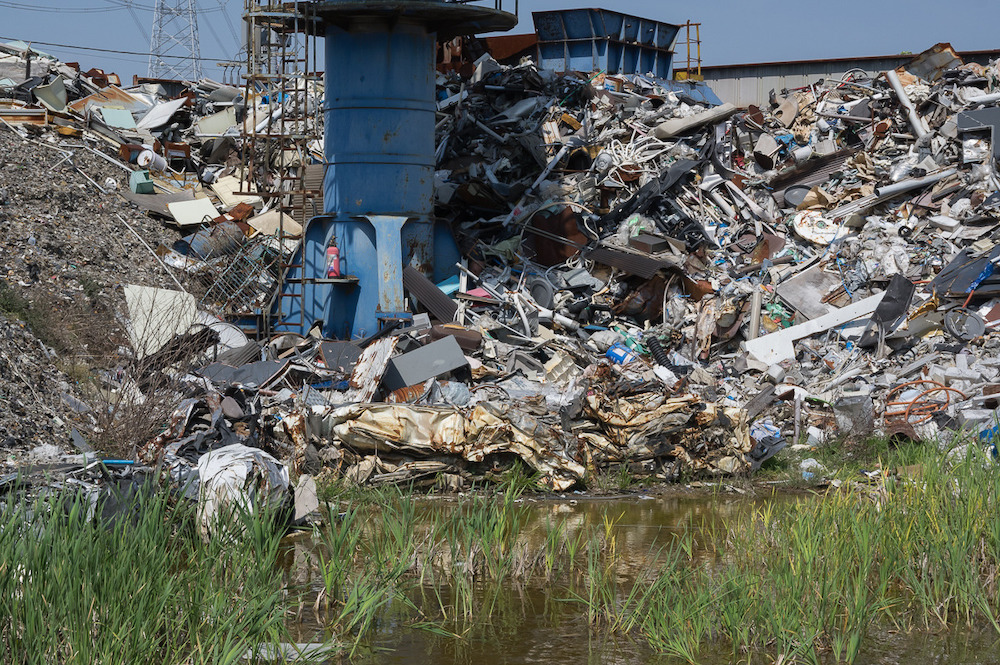
Takeshi Hyakutou Born in Gunma Prefecture in 1980 and raised in Tochigi Prefecture. Making full use of rental bicycles, he travels to areas along the JR Musashino Line and National Route 16 where many industrial waste disposal companies and civil engineering and construction firms are concentrated, photographing landscapes that resemble accidents caused by unconsciousness or a lack of thorough awareness.
Yoichiro Yoshikawa
Born in Kagoshima in 1955. Yoshikawa moved to Yokohama at the age of seven from Miyakonojo, Miyazaki, and has been based in Yokohama. In 1980, he graduated from the Sculpture Department of Tama Art University.
While working in a wide range of professions—including special effects for films and television commercials, pyrotechnics for concerts, teaching at vocational schools and universities, and caregiving in nursing home—he has continued producing sculptural works using iron and wood. Since the 2010s, he has also pursued forms of expression involving the use of his own body. From 2006 onward, he has carried out an ongoing experimental project in the forests of Nakayama, Yokohama, exploring the relationship between forest conservation and artistic expression.
Recent exhibitions include the alternative makeshift hut project Nami Ita (2022), Roji to Hito (“Alleys and People”) in Kanda, Tokyo (2016, 2017), and Hikikomi-sen / Hōsha-sen (“Sidetrack / Radiation”) (2015, 2017), among others.