

2026.06.23
We would like to express our sincere appreciation to all the artists who applied to NEW AIR 2026, which was open for applications from March 10 to April 10, 2026, as well as to everyone who expressed interest in the program.
Dedicated to artists based outside Japan who are active in Asia or have roots in the region, this artist-in-residence program received 195 applications from a broad range of areas, including East Asia, Southeast Asia, South Asia, West Asia / the Middle East, and Central Asia.
Among the applicants were many artists who have established their practices outside their countries of origin, as well as artists who move across multiple countries and are active in different regions. Through this open call, it became evident that the idea of “Asia” does not necessarily refer to a single cultural sphere or geographic region, but rather to a dynamic framework that encompasses diverse backgrounds and artistic practices.
We are pleased to announce the results of the selection below. We have also included comments from each juror, which we hope you will take the time to read.
The two selected artists will participate in an open studio from September 3 – 9, 2026, followed by a final exhibition from September 10–13, 2026 at Art Center NEW.
Further details will be announced at a later date officially.
We look forward to seeing the new forms of expression and dialogue that will emerge through the selected artists’ residency experience here in Yokohama.
The selected artists will stay in Yokohama from July and will present an Open Studio and Final Exhibition this September.
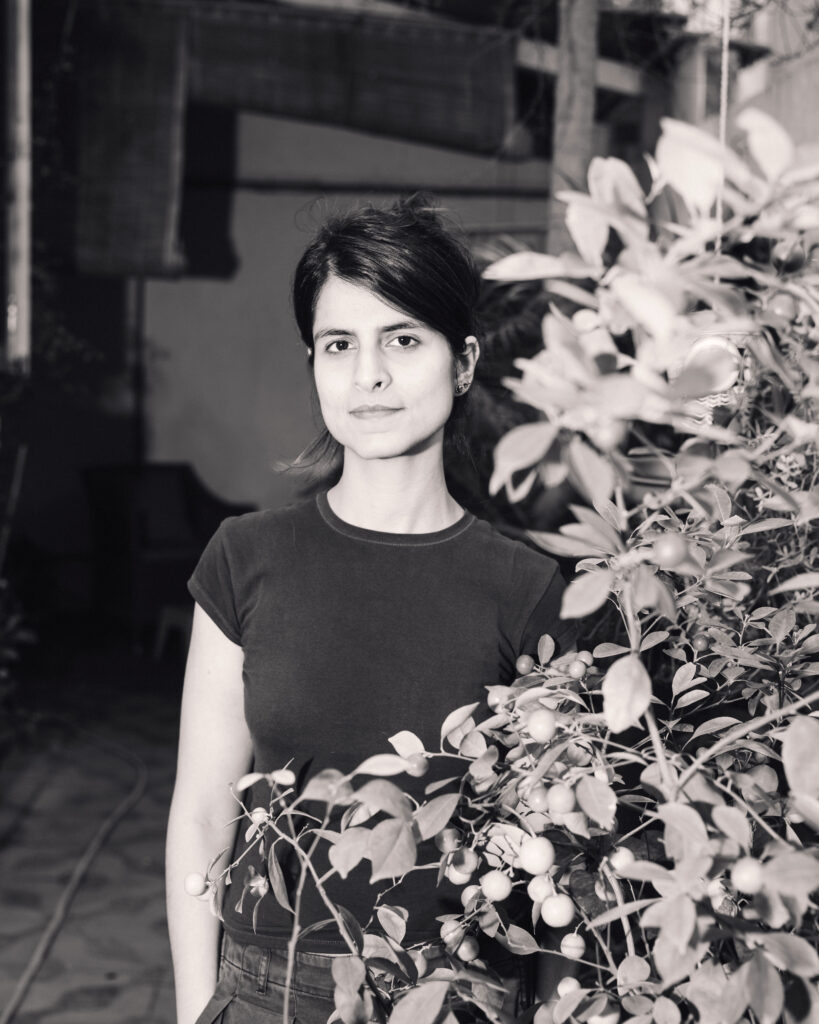
Vani Bhushan (b. 1998, New Delhi) is a photographer and darkroom printer based in New York. Bhushan holds an MFA in Photography from the Yale School of Art and was a Center for Collaborative Arts and Media (CCAM) Fellow at Yale in 2024–2025. Her work has been exhibited at Webber Gallery (Los Angeles), Gladstone Gallery (New York), Green Hall Gallery (New Haven), Khoj Studios (New Delhi), and the National Gallery of Modern Art (New Delhi), among others. She is the recipient of the 2025 John Ferguson Weir Award and the 2024 Alice Kimball English Travel Fellowship. Her practice has been featured by Aperture magazine, and she was named to It’s Nice That’s Ones to Watch list for 2025.
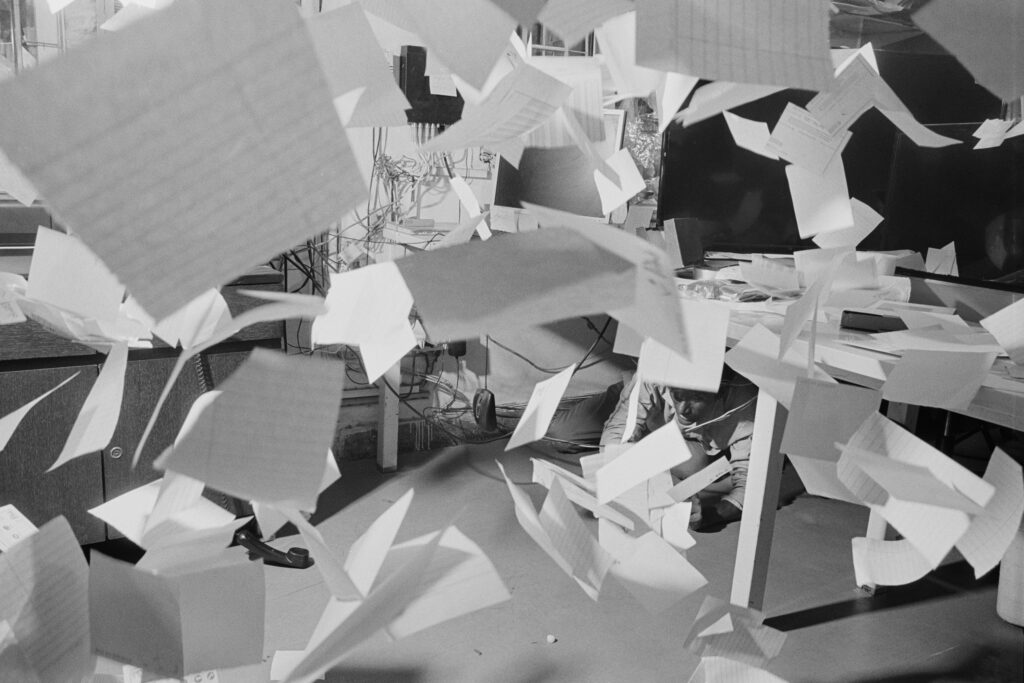
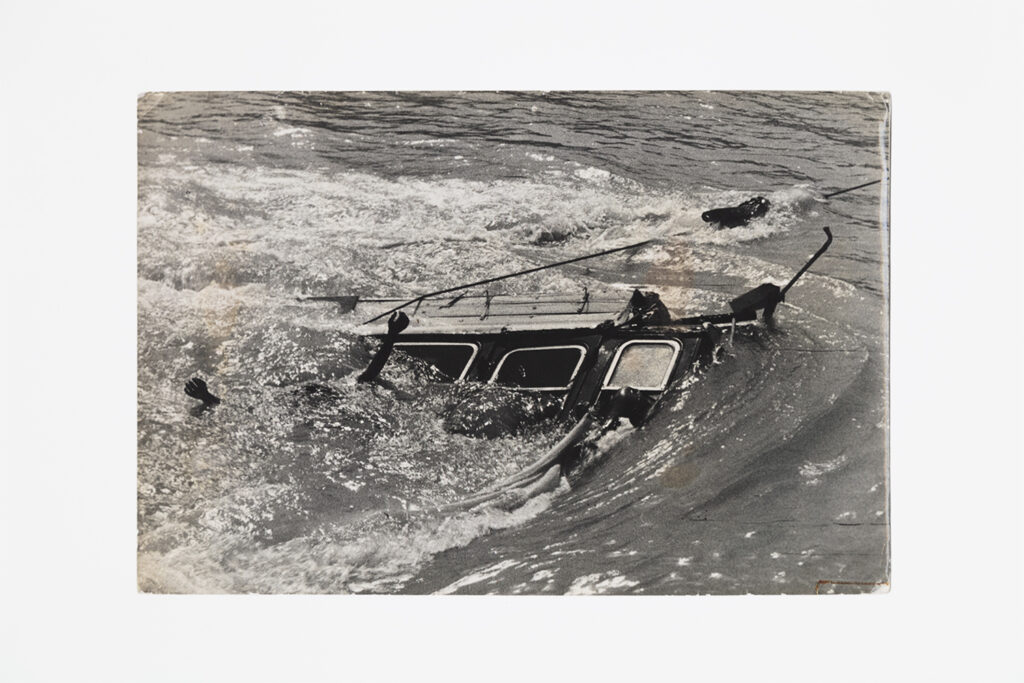
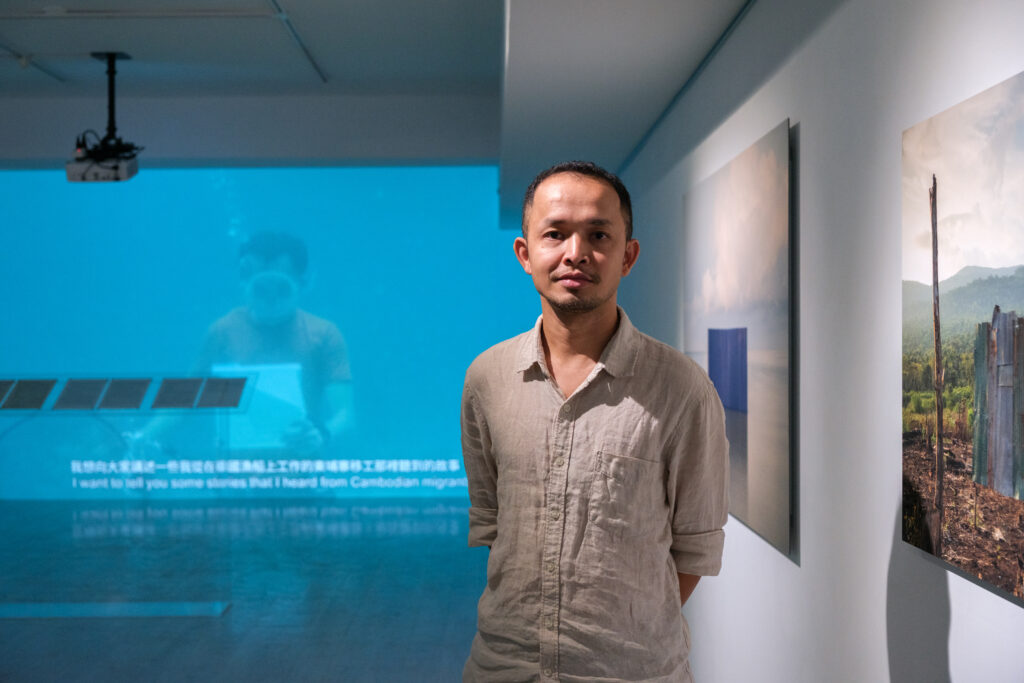
Lina works across documentary and conceptual practices with photography, video, installation and performance. Using different strategies, he calls attention to a variety of social, political, geopolitical, economic, cultural and environmental changes in Cambodia in relation to the globe and in the notion of what power, economic, and history play roles in our everyday living and contemporary present. His works usually involve researching to discover, unpack and document the history of the present and the imagination of the future by learning from the past.
Lina is an active member of the artist collective, Stiev Selapak since 2007-2024 which founded and co-runs Sa Sa Art Projects since 2010-2024, a long-term initiative committed to the development of contemporary visual arts landscape in Cambodia. Together with his collective, they teach, initiate, and innovate art programs facilitating a growing and critically conscious community. For the last 3 years, he taught contemporary photography at Sa Sa Art Projects.
While reminiscing about the former Fukuoka Asian Art Museum Triennale, I’ve been involved for many years in the selection process for artists in Tokyo. It was refreshing to once again participate in a selection process focused specifically on Asia.
The staff of Art Center NEW had narrowed the applicant and I carefully reviewed their application materials—including portfolios, recommendation letters, and application forms of around ten pages each. Although reading everything in English was challenging, it was also highly interesting. Perhaps because the NEW AIR 2026 open call was relatively broad in theme, applications came not only from artists working in research-based and socially engaged practices, but also from those involved in dance, music, food, and culinary projects. There were also many emerging artists who had only recently graduated from school.
In recent years, the number of people overseas wishing to visit Japan has increased significantly. Among the applicants were some who expressed a strong desire to come to Japan first and then conduct research to determine their project theme. While such an approach may be suitable for a long-term residency, it would be more difficult within the relatively short duration of this artist in residence program, NEW AIR 2026.
Applicants need to consider what they intend to investigate during their stay and how that research will connect their practice. It is especially important to think about the characteristics of the residency location—Koganecho, Yokohama, and Kanagawa Prefecture specifically.
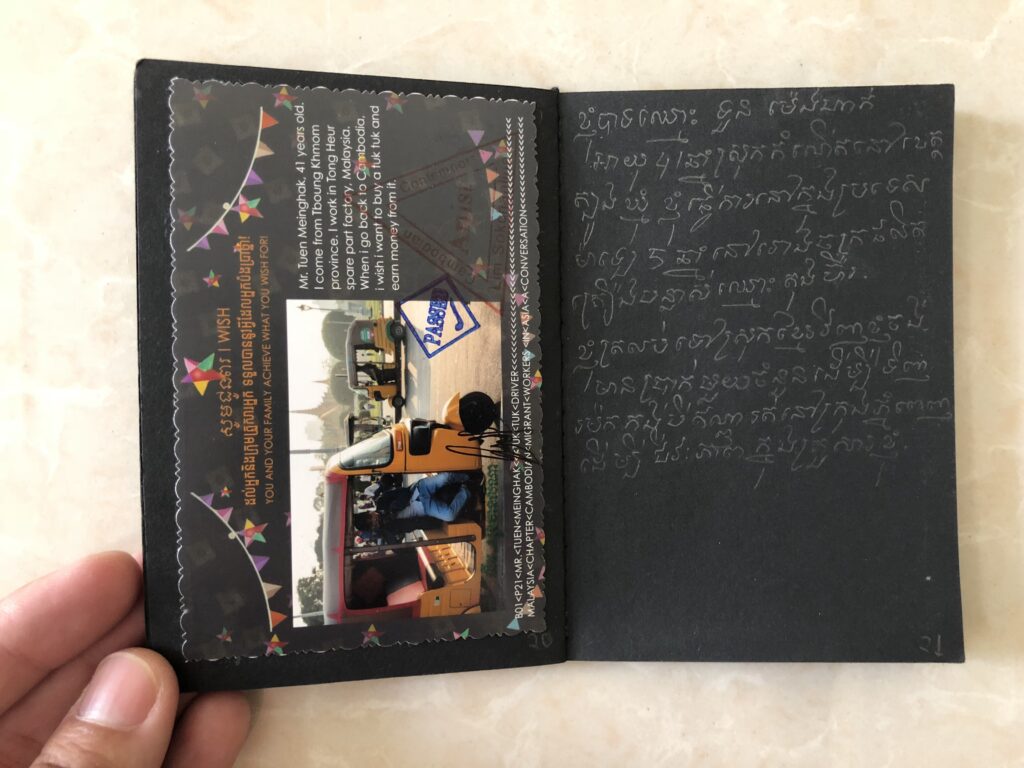
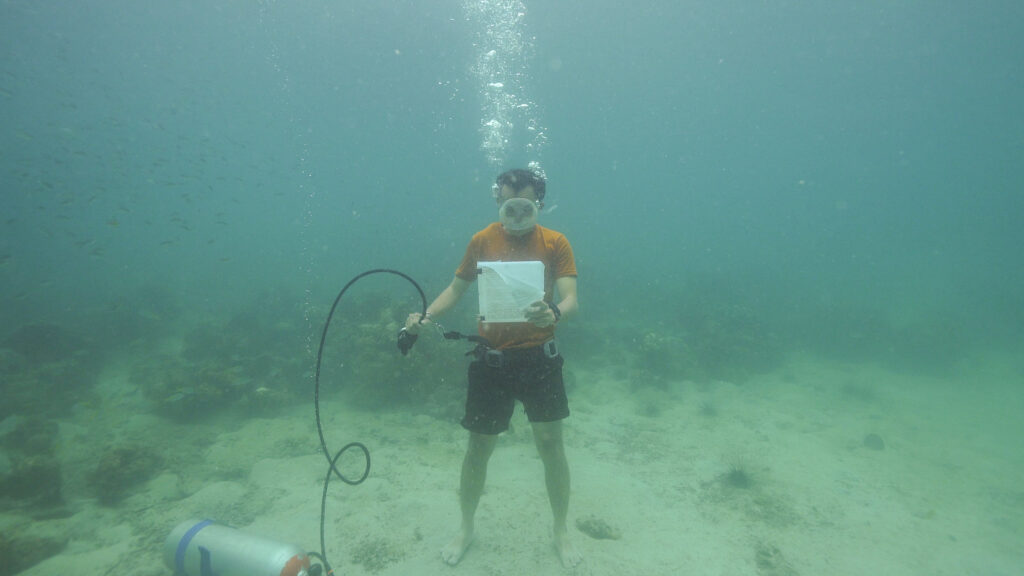
One of the selected artists this year, Cambodian artist Lim Sokchanlina, has researched the experiences of Cambodian migrants across Asia, listening to their aspirations and producing works in the sort of books that document their stories. While Tokyo, as Japan’s largest city, is known as the country’s largest Chinese population, Kanagawa Prefecture reportedly has the largest Cambodian migrant community in Japan. This local context makes it clear why Sokchanlina’s project is particularly well suited to this region and this program.
Furthermore, last year the Japanese government introduced a highly restrictive policy requiring migrants to possess assets of 30 million yen. Yokohama has long promoted multicultural coexistence, and it will be interesting to see how the city responds to a national policy that could potentially exclude even the families of long-settled migrants. Sokchanlina’s research process may help shed light on this reality.
The residency guidelines also encourage artists to incorporate collaboration with local communities into their projects. Indian artist Vani Bhushan, who has focused on seascapes and cityscapes while exploring the relationship between vision, image-making, and truth through distinctive photographic methods that blur the boundaries between reality and fiction, proposed collaborating with a theatre group in Yokohama. Her idea is to invite the performers to enact historical or social scenes and then photograph those staged situations.
Vani Bhushan was also selected for NEW AIR 2026. Yokohama, the location of Art Center NEW, has traditionally been centered around communities of visual artists, but if her project is realized, it may open new possibilities for engagement with the performing arts community and broaden the scope of the institution’s future activities.
I was genuinely excited when I heard that Art Center NEW started an artist in residency program from across Asia, and I accepted the NEW AIR selection process with great anticipation. In fact, the portfolios and project proposals submitted from various parts of Asia were all compelling, making the review process both stimulating and intellectually challenging.
As I reviewed the applications, I decided to impose a single criterion upon myself: to focus on how each artist constructs—or deconstructs—a narrative through their work, and how that narrative is shared with others. There were, of course, many factors that could be considered during the selection process, but I wanted to prioritize direct engagement with the artworks themselves.
Naturally, this was my own personal approach to evaluation. By “narrative,” I mean the artistic technique of arranging various objects, events, and relationships within a work. Viewed in this way, each artist’s practice emerged as a distinct form of narrative.
Among the many strong applications, two artists were selected as residents this year: Vani Bhushan from India and Lim Sokchanlina from Cambodia.
Vani Bhushan critically deconstructs conventional photojournalism as a particular narrative of vision and representation. By re-staging and re-performing it in alternative forms, she creates intellectually sophisticated and powerful works that swiftly destabilize our own ways of seeing.
Lim Sokchanlina, meanwhile, is an artist deeply interested in the arrangement of people, events, and relationships within specific social conditions, often explored through participant observation. His works contain fascinating moments in which narratives are simultaneously constructed and allowed to drift, shift, and remain unresolved.
I am greatly looking forward to seeing what kinds of works these two artists will create during their time in Yokohama. At the same time, I would like to emphasize that the works and project proposals submitted by many other applicants were equally compelling. I have a strong feeling that I will encounter the works of these artists again somewhere in the world. I look forward to that day arriving in the near future.
Finally, I would like to express my sincere gratitude to Nao Kiyota from Art Center NEW, who provided invaluable support throughout the selection process. Thank you very much !!
This open call, which was limited to artists residing in Asia, attracted applications from a wide range of practitioners, from established artists to emerging talents. Many of the proposed residency plans were both concrete and compelling.
Although intermittently, I have been involved with artist-in-residence programs for nearly twenty years. From that perspective, it would have been difficult to imagine, even a decade or two ago, receiving such a diverse range of applications solely from artists based in Asia. In the past, even artists with Asian roots were often based in Europe or North America. Over the last decade, however, the situation has changed dramatically. The number and diversity of artists working throughout Asia has grown substantially, and there has been a notable increase in artists who actively seek opportunities to participate in residency programs in Japan. This is a significant development. That said, applications from South Asia remain relatively limited, while submissions from Central and West Asia are still quite rare. At present, the majority of applicants continue to come from East and Southeast Asia.
Ultimately, this residency selected Vani Bhushan, based in Delhi, India, and Lim Sokchanlina, based in Phnom Penh, Cambodia.
Vani Bhushan works primarily with photography and printed matter and has a strong interest in photojournalism. However, rather than approaching photography as a straightforward means of capturing truth, she is attentive to its inherent theatricality and fictionality. At a moment when advances in AI and related technologies are prompting renewed questions about the nature and credibility of photojournalism, her practice offers a sharp and timely critical perspective. For this residency, she plans to explore collaboration with a local theatre group in Yokohama. Given the consistency and depth of her previous work, I anticipate that this project will lead to a highly productive and meaningful residency.
Lim Sokchanlina has long developed projects that examine Cambodia—his country of origin—through global perspectives, exploring geopolitical, social, political, environmental, and cultural issues. During this residency, he intends to research the experiences of people who arrived and settled in Yokohama as refugees, as well as more recent migrants from Cambodia who have made the city their home. This project represents a natural extension of his ongoing practice and reflects the consistency of his artistic approach. As an artist entering a more mature stage of his career, I expect this residency and the project explored during it will further deepen and expand his practice.
Although many outstanding applicants could not be selected this time, there were numerous artists whom I would personally like to see realize a residency project in Yokohama. I sincerely hope they will consider applying again in the future and that another opportunity to work with them will arise.


